
Event
FTS of Russia at SPIEF 2026
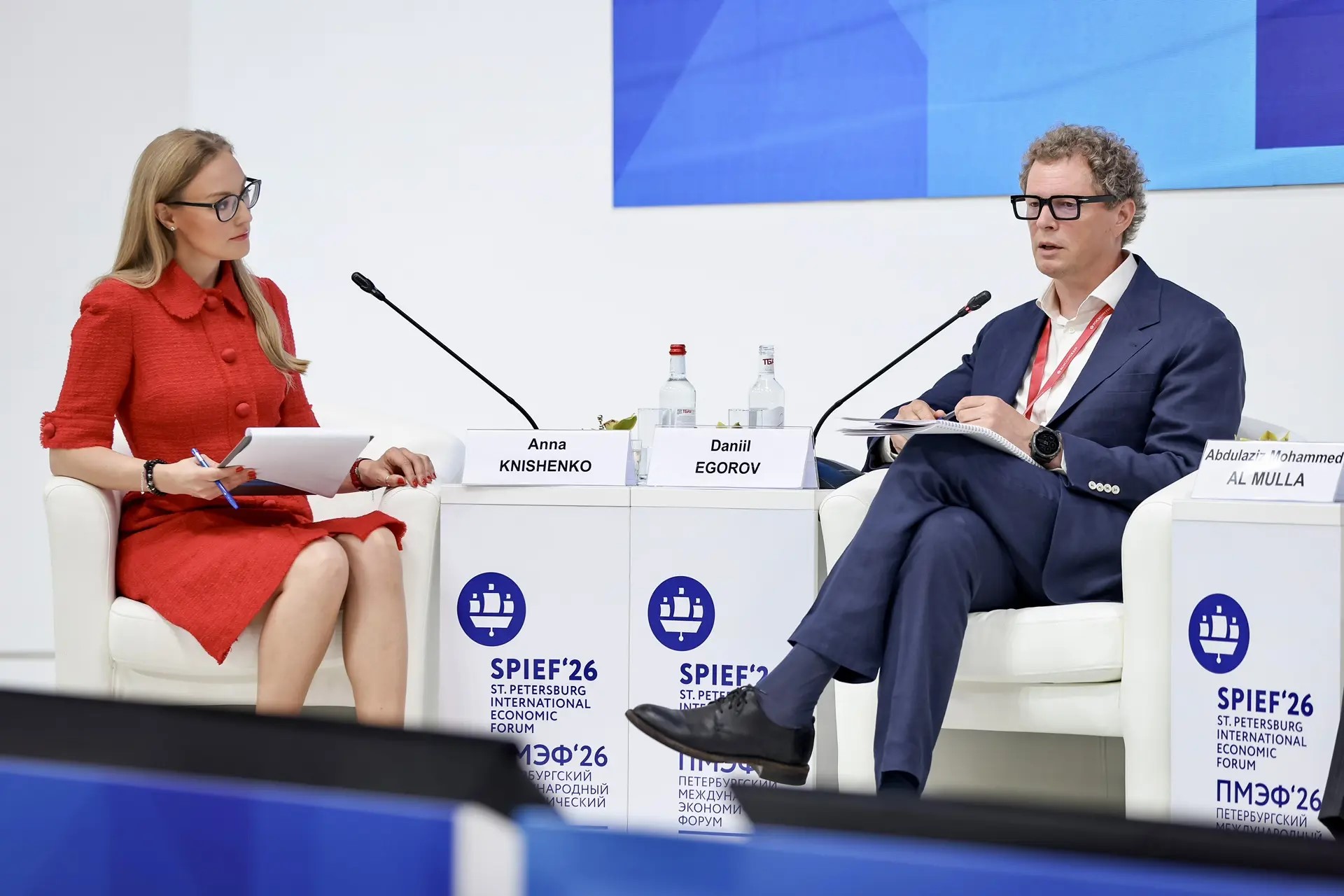
At SPIEF 2026, Daniil Egorov, Commissioner of the FTS of Russia, outlined key global trends in cross-border trade and discussed the role tax administrations can play in reducing barriers for international business.
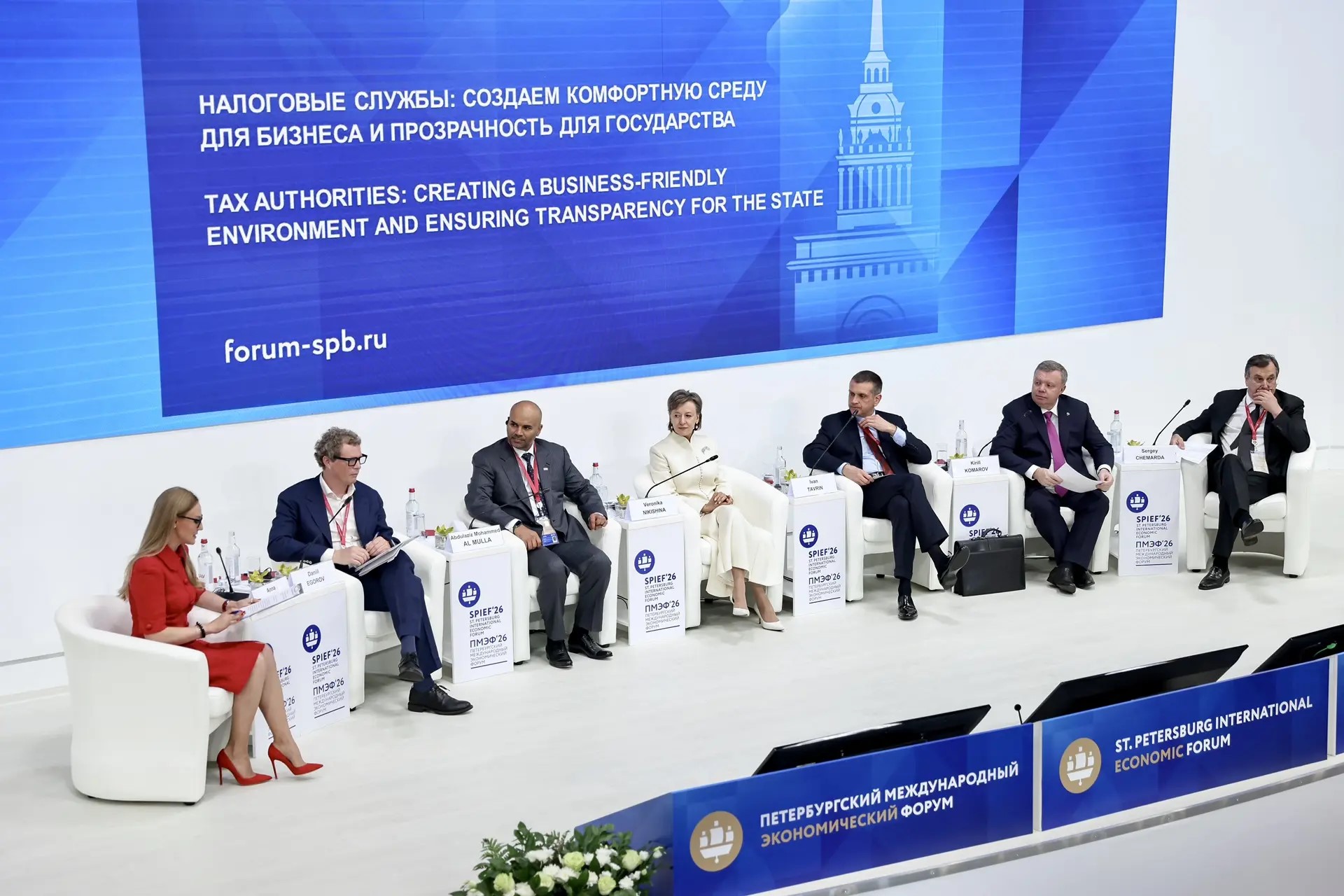
Speaking at the panel session “Tax Authorities: Creating a Business-Friendly Environment and Ensuring Transparency for the State”, the FTS Commissioner noted that the digitalization of the economy is outpacing the development of international regulatory frameworks. As a result, countries are forced to independently develop approaches to digital economy taxation, which often creates additional challenges for businesses. “Unfortunately, the domestic measures we implement do not always align with those of other countries. This leads to business fragmentation and creates a serious risk of double taxation. Therefore, we believe tax authorities themselves can do something in this direction. For instance, we can agree on electronic data interchange (EDI) and framework documents to help reduce current asymmetries in international taxation,” stated Daniil Egorov.
He noted that a significant portion of Russian residents’ financial assets is currently concentrated in the CIS, BRICS, South Asia, and the Middle East. For instance, since 2021, the volume of such assets in the CIS countries has increased eightyfold.
The FTS Commissioner also highlighted the growing role of digital platforms in the global economy. In Russia, over the past five years, the number of sellers on major marketplaces has reached approximately one million. At the same time, the volume of export transactions between foreign and Russian participants via digital platforms increased by nearly 60% from 2024 to 2025, while import transactions grew by over 70% during the same period.
“If we can help businesses organize their operations using modern technologies, it will positively impact the country's economic development,” emphasized Daniil Egorov.
Similar trends were also noted by the foreign participants in the discussion. Johnstone Makhubu, Commissioner of the South African Revenue Service, noted that predictability in tax regulation is becoming the primary demand from businesses amid the fragmentation of global supply chains. According to him, transparent rules, the adaptation of international standards to national systems, and effective dispute resolution mechanisms all have an important role to play.
Abdulaziz Mohammed Al-Mulla, Director General of the UAE Federal Tax Authority, spoke about the digital transformation of tax administration and the use of artificial intelligence. He noted that digital services help accelerate interactions with taxpayers, reduce tax compliance costs for businesses, and improve the quality of services provided.
The participants also paid special attention to the transition of tax administrations toward a service-oriented model in their work with business.
“We now realize that we are not just auditors; we are service providers. In Russia, we perform a whole range of functions related to providing public services to citizens and businesses as part of a national client-centric strategy,” stated Daniil Egorov.
In this context, the FTS Commissioner discussed the development of the BRICS Tax Support Network, which will allow businesses to obtain information on the specifics of tax administration in member countries. The next step will be the creation of the BRICS Tax Knowledge Hub, an interactive knowledge library on taxation across BRICS countries. A prototype of the platform is scheduled to be presented to the heads of BRICS tax administrations in September 2026.
Concluding the discussion, the participants agreed that the implementation of new technologies must be accompanied by greater trust between the state and taxpayers.
The panel session also featured Kirill Komarov, First Deputy General Director and Director of the Development and International Business Division at State Atomic Energy Corporation Rosatom (Rosatom); Veronika Nikishina, General Director of the Russian Export Center; Ivan Tavrin, Founder of Kismet Capital Group; and Sergey Chemarda, General Director of DP World LLC.