
News
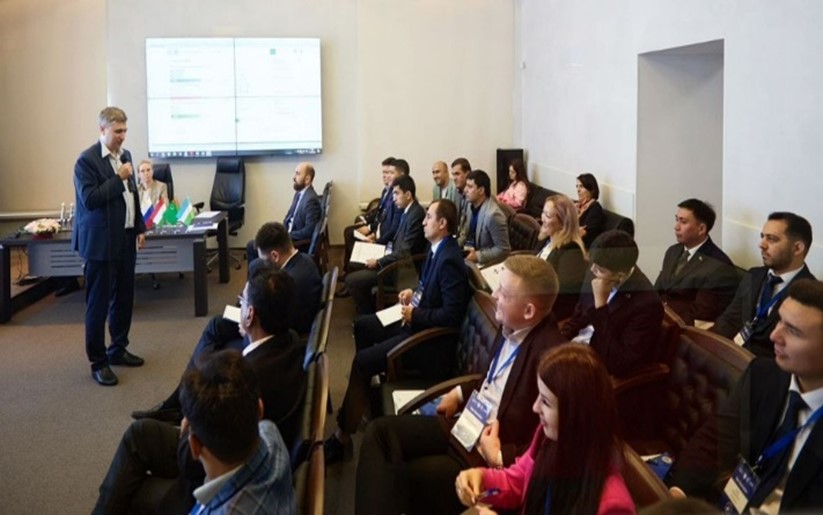
The FTS of Russia shared its best practices in the development of digital systems and services for tax administration during the annual meeting held under the flagship “New Generation” program. The initiative, implemented by the Federal Agency for the Commonwealth of Independent States Affairs, Compatriots Living Abroad, and International Humanitarian Cooperation and the Federal Financial Monitoring Service of the Russian Federation, aims to develop new formats of international cooperation by showcasing the best practices of Russian government agencies and financial institutions.
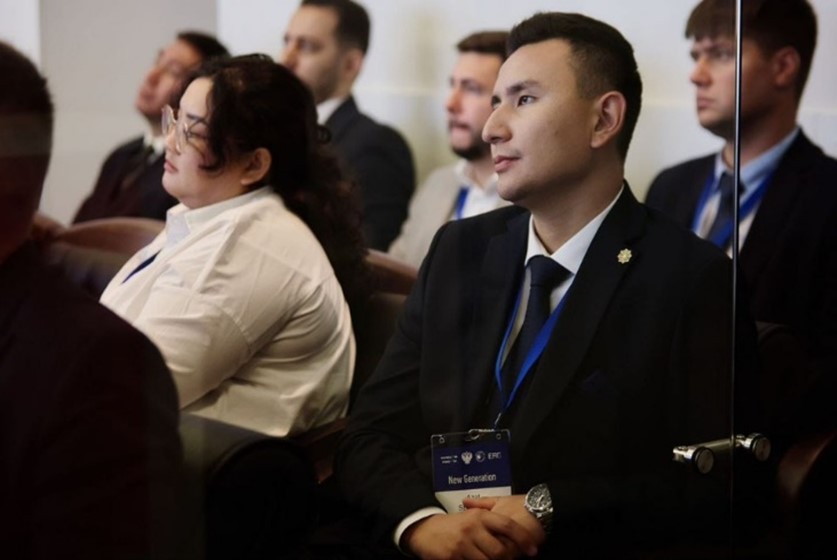
The event was attended by representatives of financial intelligence units from the member countries of the Eurasian Group on Combating Money Laundering and Financing of Terrorism (EAG)—Belarus, India, Kazakhstan, Kyrgyzstan, Tajikistan, Turkmenistan, and Uzbekistan.
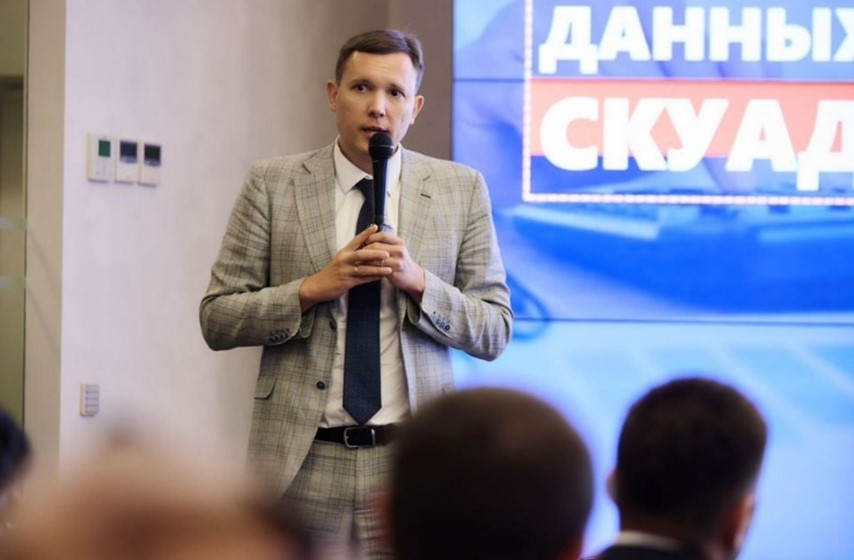
“Today, the FTS of Russia is a service-oriented authority where most tax administration processes are automated, and its data centers host the largest database among Russian government agencies. This creates conditions where compliance with tax legislation becomes easier, faster, and more convenient for citizens and business,” stated Alexander Egorichev, Deputy Commissioner of the FTS of Russia.
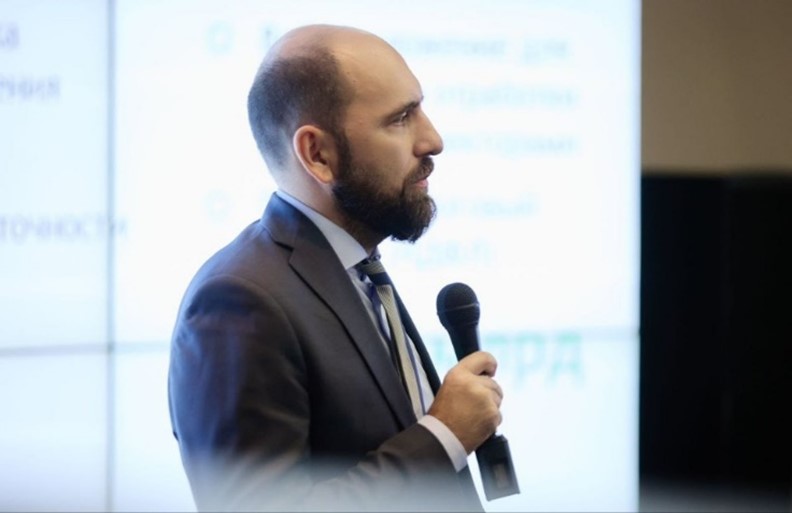
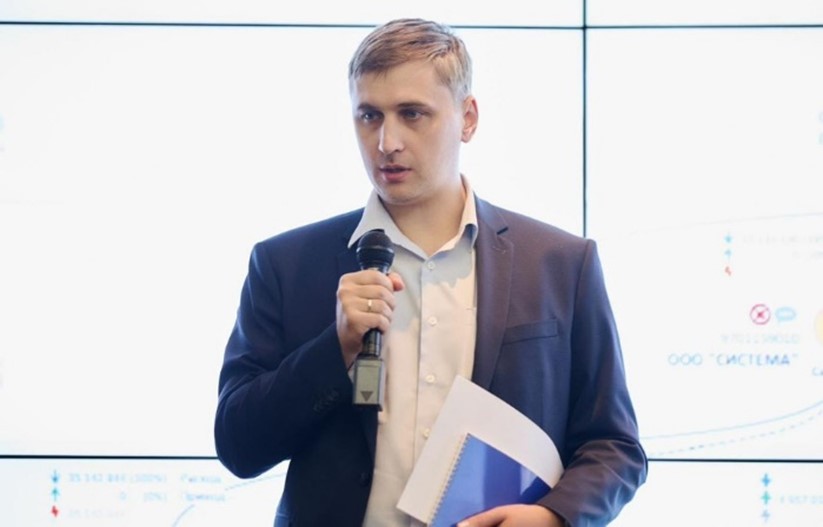
Alexey Kasyanyuk, Head of the Desk Audit Directorate of the FTS of Russia, presented the Analytical VAT Platform for monitoring VAT payments. The tool functions as a risk management and analytics instrument that automatically compares invoice data from VAT returns, helping to identify discrepancies between buyer and seller operations. This significantly reduces control time and eliminates human error, thereby enhancing the efficiency of tax oversight and improving overall tax compliance.
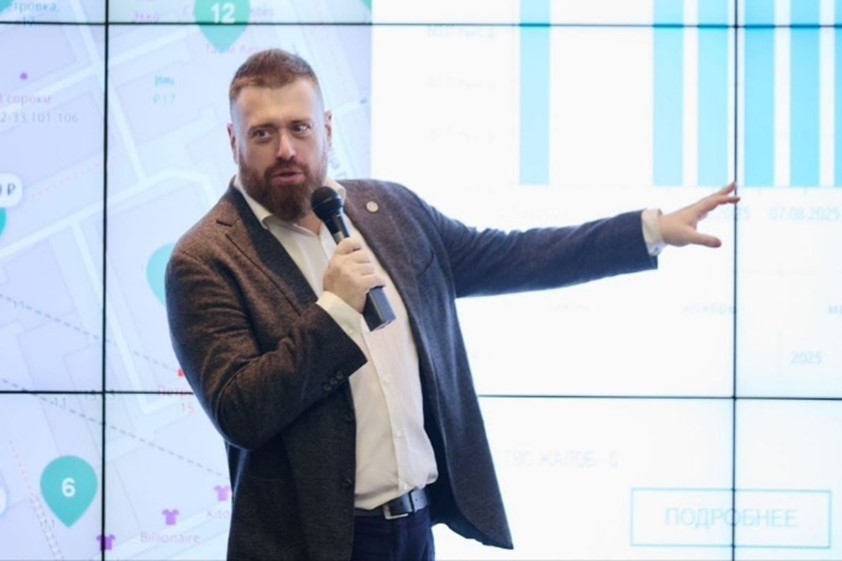
Vladimir Maltsev, Head of the Operative Control Directorate, introduced the functionality of the Online Cash Registers Control System. This system collects real-time primary data on all retail sales in Russia, allowing visualization of all points of sale and item-level details of each transaction receipt. The data enables the identification of taxpayers violating cash register usage rules, thereby reducing the shadow economy. Additionally, the aggregated data supports macroeconomic analysis and enables timely, targeted responses to socio-economic challenges.
Vadim Soldatenkov, Head of the Bankruptcy Proceedings Directorate, demonstrated the Integrated Debt Management and Administration System (IDMAS). The system compiles a digital debtor profile using available data sources and includes 14 types of assets and liabilities, 45 types of connections, and recorded transactions. Beyond direct assets, IDMAS tracks derivative assets that may be recovered in bankruptcy through legal challenges, loss recovery, or imposition of subsidiary liability. With 264 digital markers, the system detects signs of affiliation and potential insolvency. IDMAS also models which scenarios—debt restructuring or bankruptcy—would be more beneficial for creditors, a feature valuable to all creditors, not just the FTS of Russia.
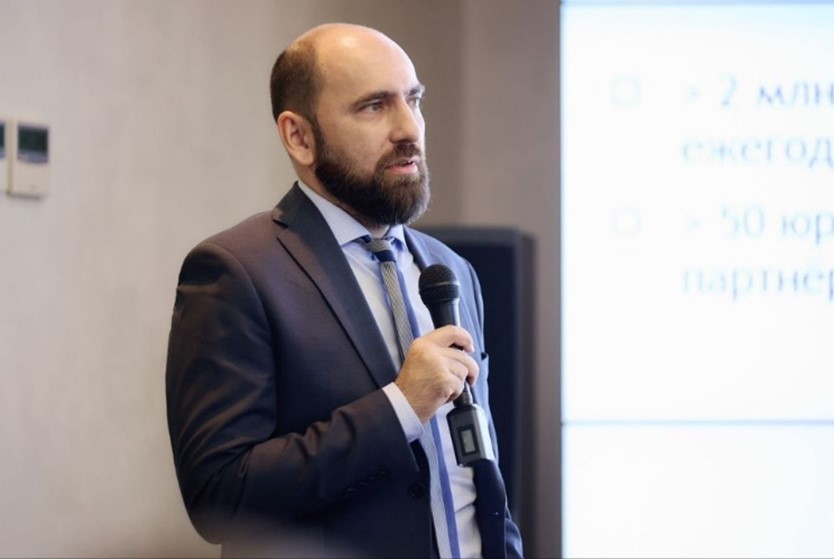
Vladimir Golishevsky, Deputy Head of the International Cooperation and Capital Movement Control Directorate, presented the Risk Profiling System based on the CRS data (Financial Accounts System/CRS), which automates the identification and risk analysis of foreign accounts, incomes, and controlled foreign companies held by Russian residents under the international Common Reporting Standard (CRS). Account holder identification is a critical prerequisite for data analysis. Leveraging advanced data processing methods, the system has automatically identified over 94% of the more than 2 million foreign accounts reported to the FTS of Russia in 2024.
Marina Krasheninnikova, Head of the Cooperative Compliance Directorate, introduced the Tax Compliance System, which is based on continuous and expanded information exchange between the tax authority and taxpayers. This innovative model provides real-time analytical insights on individual companies, corporate groups, and industry sectors, including government support measures. The system includes functionality for building a digital profile of a corporate group or industry, offering a comprehensive understanding of company structure, business processes, and enabling precise analytics to support key economic decisions. As of 2025, 735 of Russia’s large taxpayers—whose contributions account for over 36% of federal revenues—participate in the program.
Participants visiting the FTS of Russia for the first time expressed strong interest in the successful implementation of advanced technologies and digital services in the Russian tax system. They also emphasized the importance of fostering new formats of international cooperation between public authorities and financial institutions, and highlighted the value of continuing mutual exchange of best practices in the future.