News
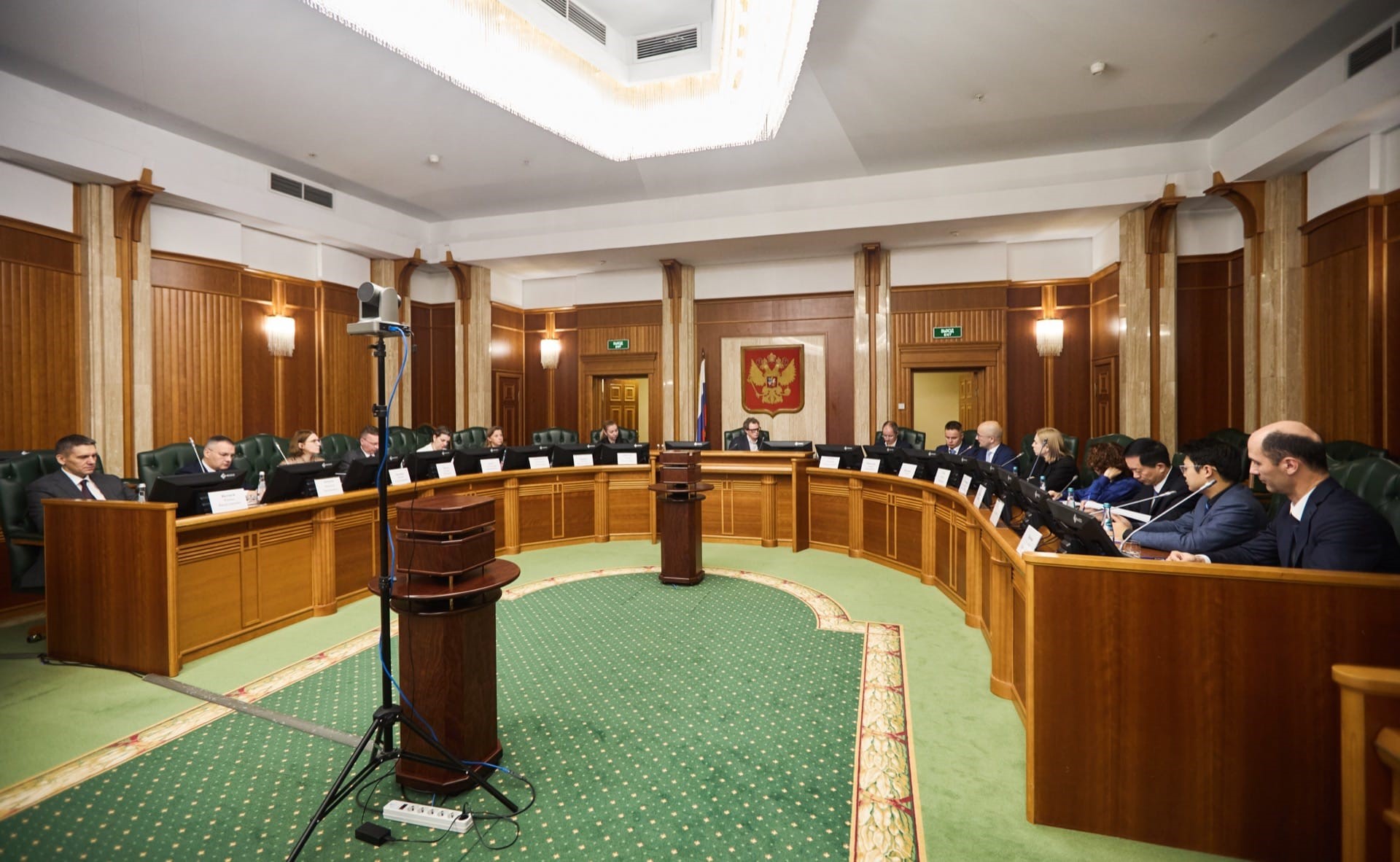
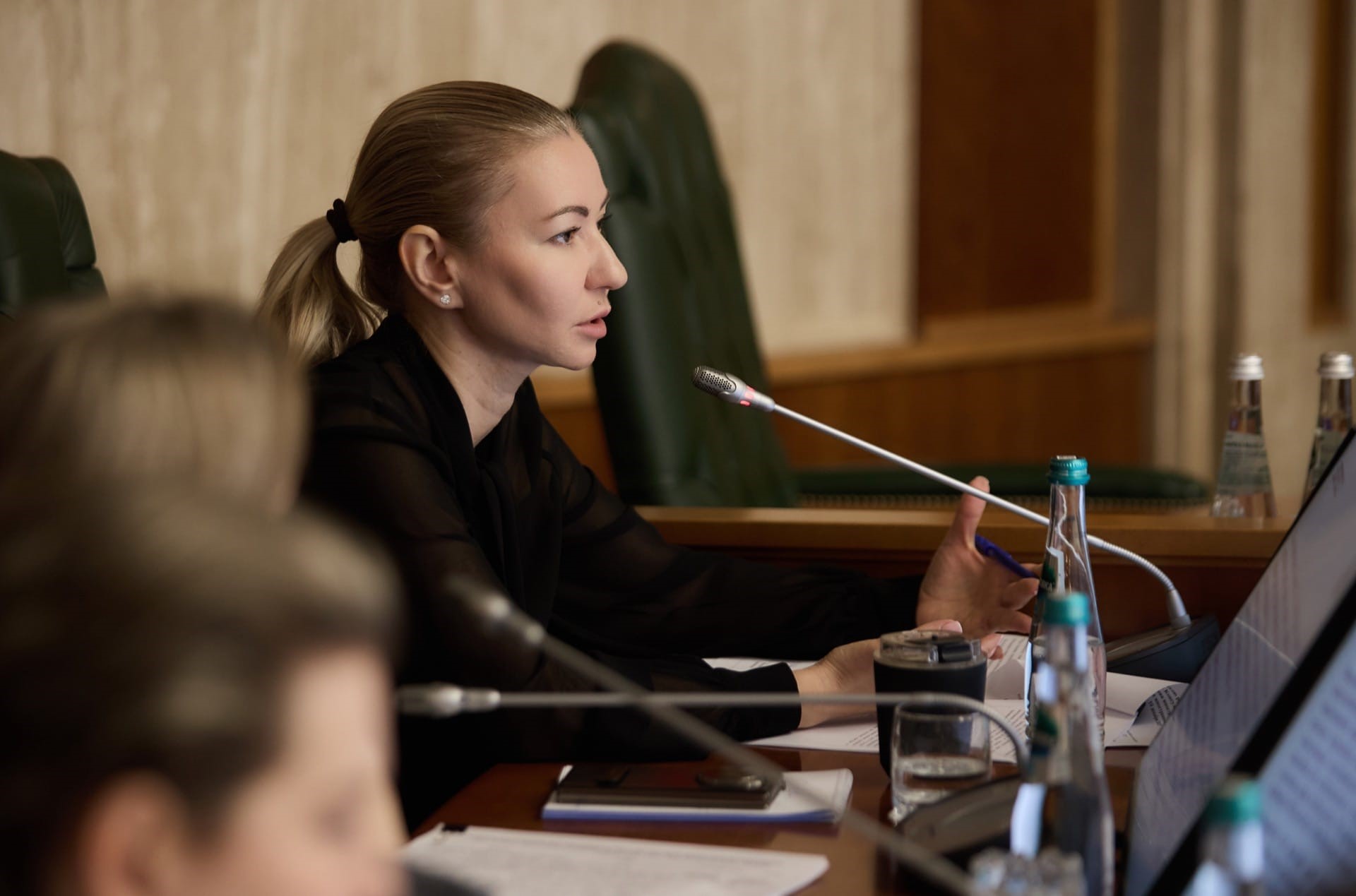
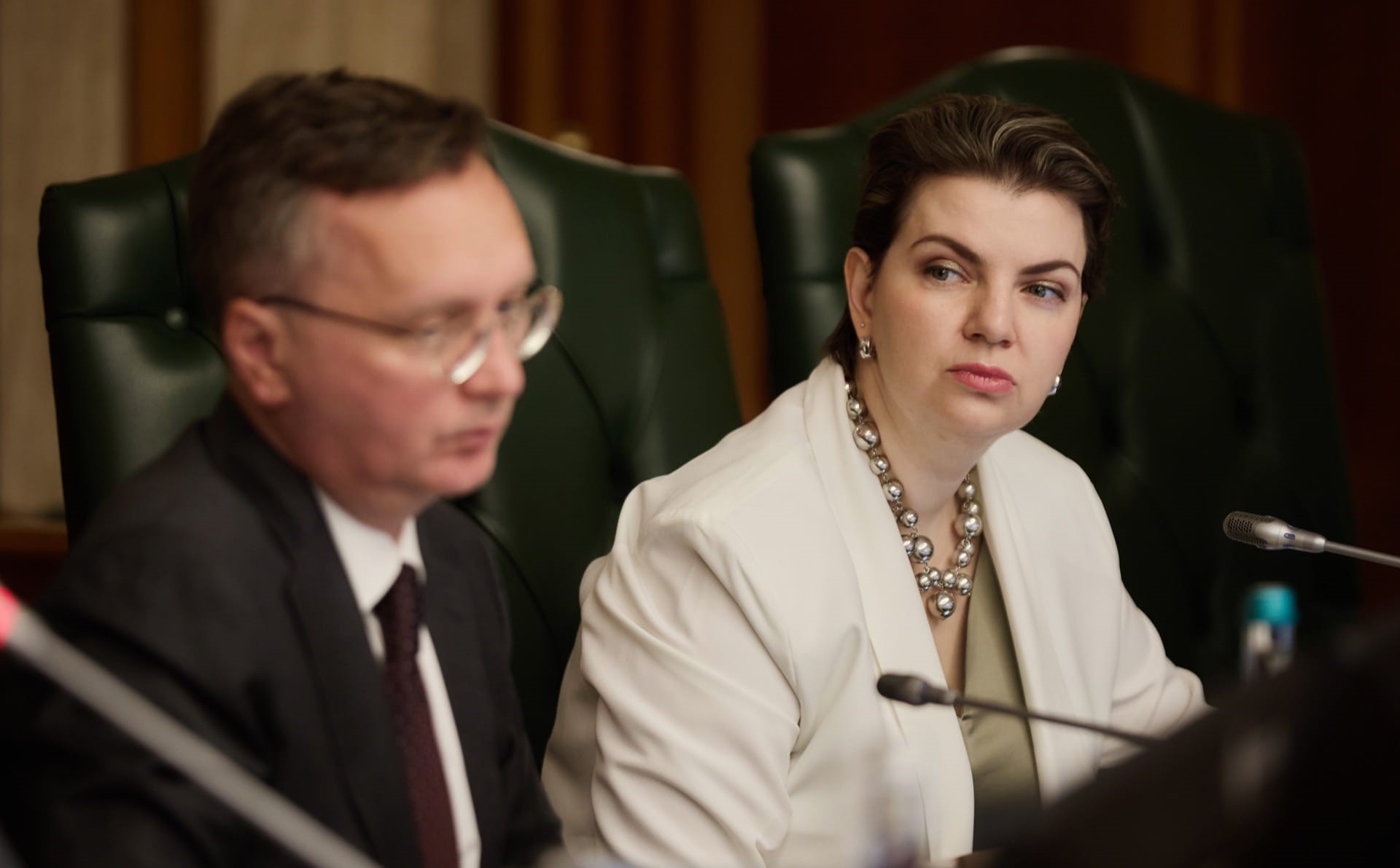
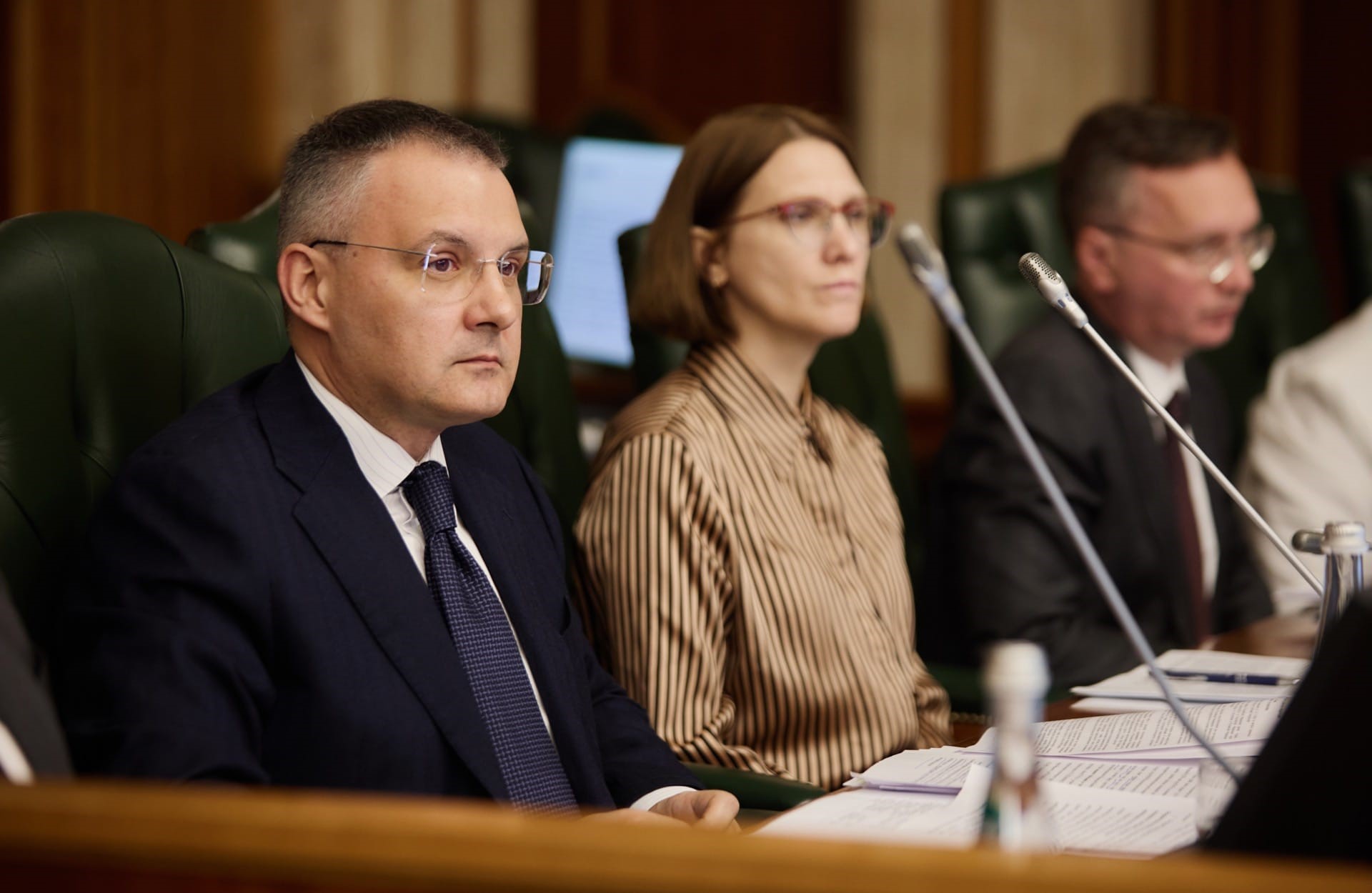
The Federal Tax Service of Russia (FTS) held a regular meeting of the Advisory Council on the taxation of foreign investors and companies with foreign capital. The agenda focused on the fairness of the tax system, reducing administrative burden, and improving predictability for business.
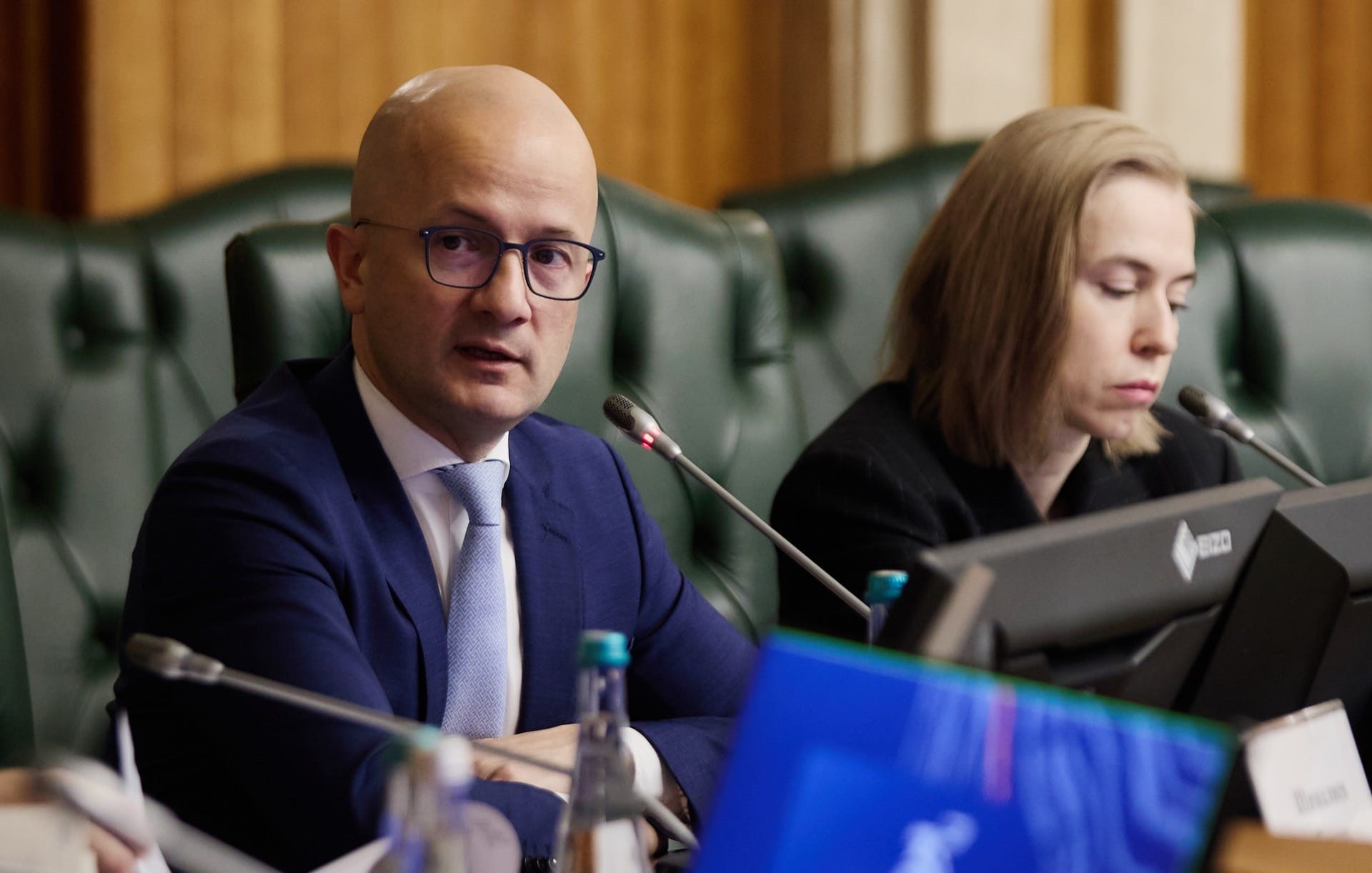
“We are implementing a long-term tax reform–balanced and fair, and designed to stimulate investment. At the same time, we are deliberately not increasing administrative pressure and continue to reduce interference in the activities of bona fide businesses,” stated Daniil Egorov, Commissioner of the FTS of Russia.
Particular attention was paid to measures aimed at supporting corporate liquidity. Daniil Egorov noted that the FTS of Russia is actively granting payment deferrals and installment plans and is working to shorten VAT refund timelines, enabling businesses to preserve working capital for investment, procurement, and payroll.
One of the key topics was a new model for handling administrative appeals, scheduled to launch in 2026. Under the new approach, appeals will be reviewed by specialized tax authorities that are not territorially linked to the taxpayer, strengthening independence and improving decision quality. The authorities also plan to expand business participation in pre-trial (administrative) dispute resolution, including in-person involvement and the engagement of mediators; a pilot project has already started.
Participants also discussed the development of tax monitoring as a “cooperative compliance” framework, which currently includes 732 companies. The FTS confirmed its course towards digitalising interaction and reaffirmed its commitment to transparency in planning, noting that it already publishes draft future requirements at least two years before they are implemented in the information systems of cooperative compliance participants.
Summing up the service-oriented approach, Daniil Egorov emphasized: “We are not merely a supervisory body; we are a partner institution. And we especially value the trust shown by foreign investors.”
The meeting brought together 14 representatives of leading business associations, including the Association of European Businesses (AEB), the American Chamber of Commerce (AmCham), the Russian-German Chamber of Commerce, the Franco-Russian Chamber of Commerce and Industry, and the Union of Chinese Entrepreneurs in Russia. Around 150 representatives of the international business community also joined the discussion online.