
News
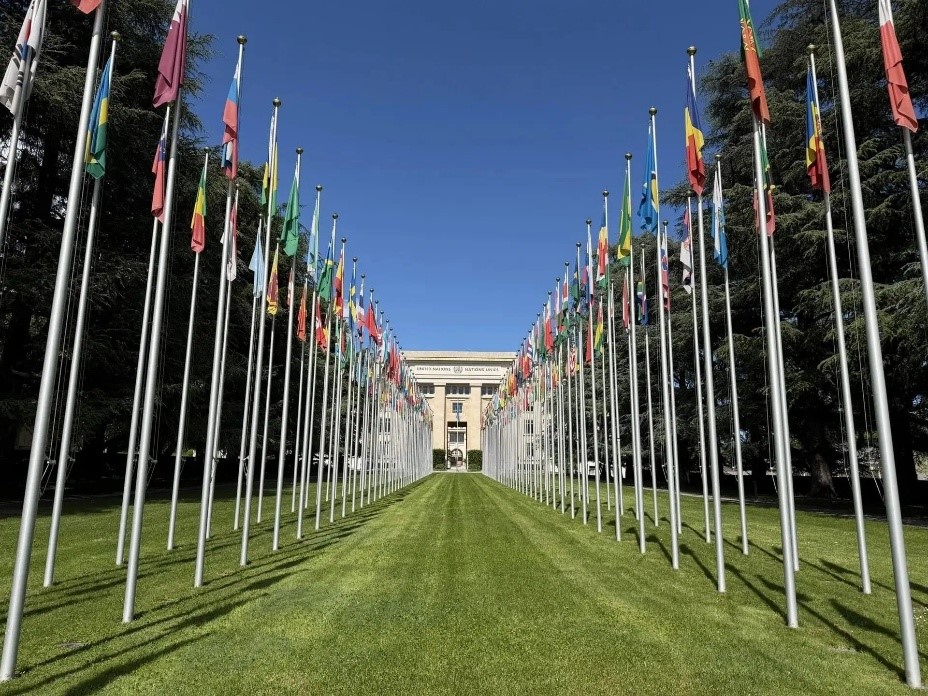
In Geneva, the Federal Tax Service (FTS) of Russia presented its experience in administration of digital platforms as an example of building a modern digital tax control model.
Marina Krasheninnikova, Head of the Cooperative Compliance Directorate of the FTS of Russia, delivered a report at the IX session of the UNCTAD Intergovernmental Group of Experts on E-commerce and the Digital Economy. The discussion focused on ensuring transparency in e-commerce and leveraging big data analytics for tax administration.
The Russian model of tax administration for digital platforms is built on the principle of partnership with business. Platforms accumulate vast amounts of data on transactions, goods, payments, and market participants behavior. This information is used by tax authorities for automated risk profiling and tax compliance verification.
"Over the past five years, the Russian e-commerce market has demonstrated rapid growth, with the number of sellers on major marketplaces increasing more than tenfold. This scale requires adapting our tax control tools and establishing a unified digital data ecosystem," stated Marina Krasheninnikova.
Implementing a globally aligned approach to the taxation of digital companies operating across multiple jurisdictions may require joint management of data collection and processing, along with coordinated actions by tax authorities. This will help enhance voluntary tax compliance, creating conditions for the sustainable development of the digital economy.