
News
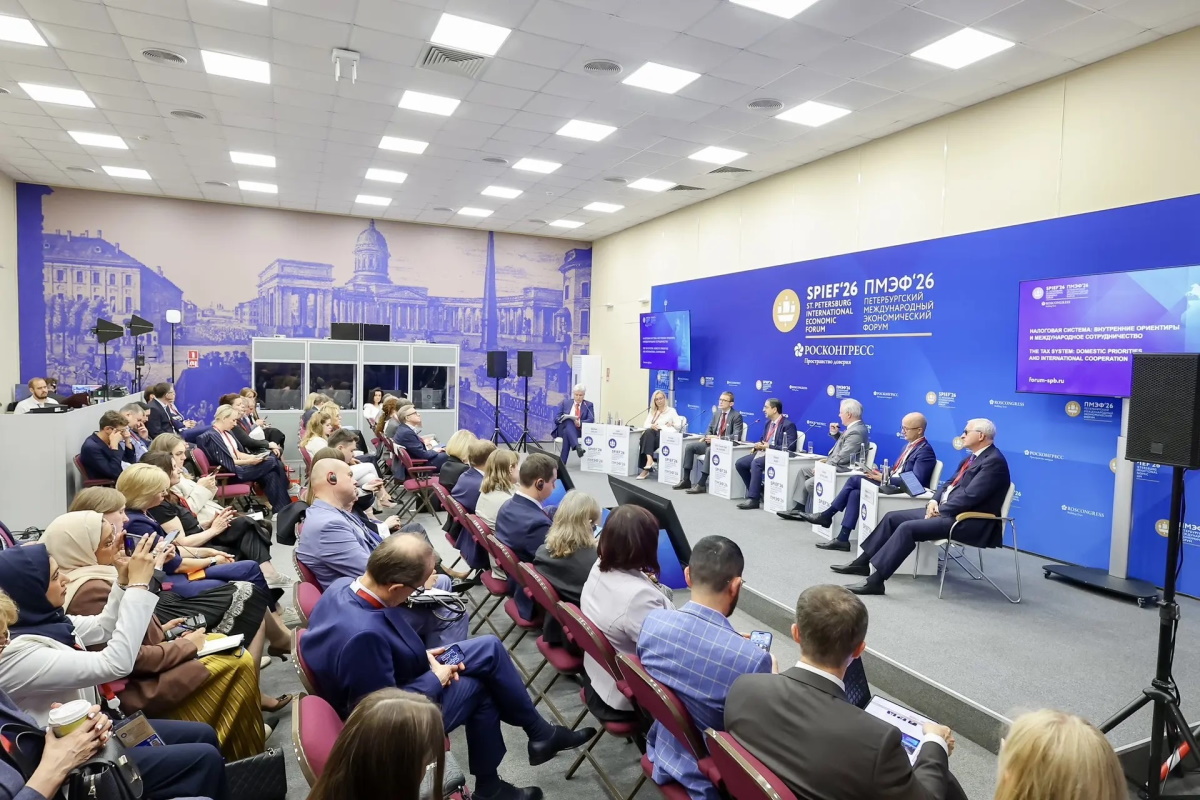
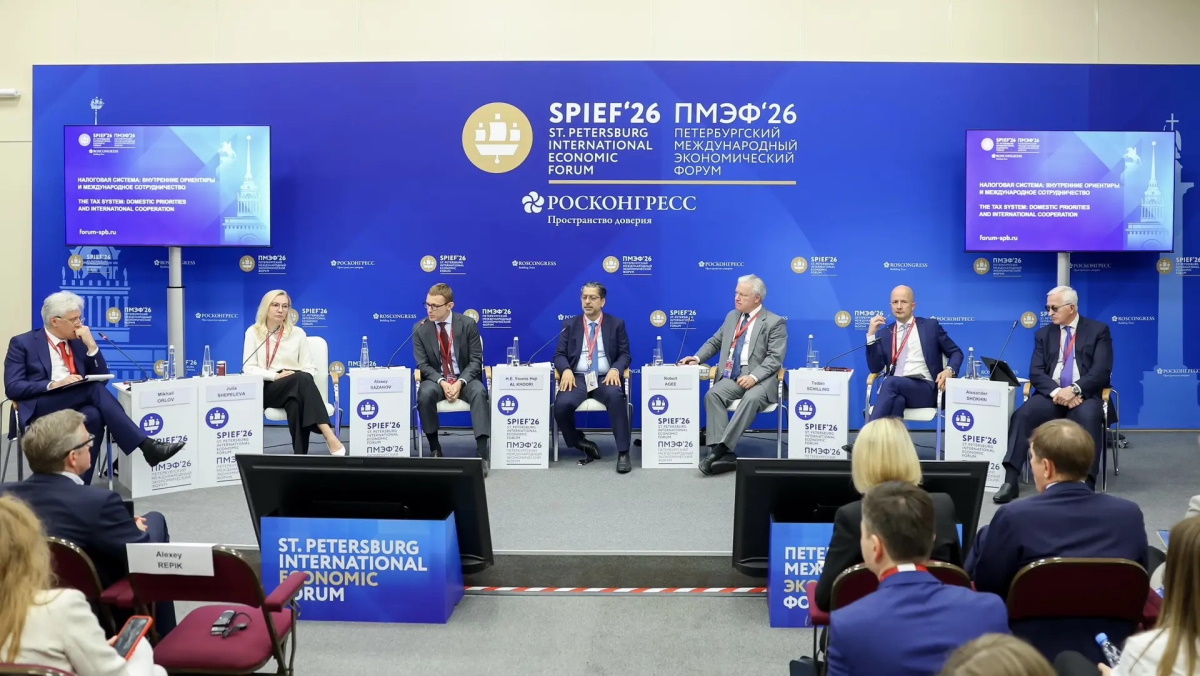
Julia Shepeleva, Deputy Commissioner of the Federal Tax Service of Russia (FTS), outlined the key priorities of tax administration for Russian and foreign businesses at the SPIEF 2026 session “Tax System: Domestic Priorities and International Cooperation.”
One of the key issues addressed in her speech was the application of the new transfer pricing rules that came into effect in 2024. Julia Shepeleva noted that the rules were introduced to prevent profits from being shifted out of Russia without taxation. The changes include a narrower range of commodity price quotations for tax purposes, tougher liability for non-arm’s-length price manipulation, and clarified disclosure requirements for cross-border transactions.
“Data from two years of filing campaigns has shown that our exporters’ tax discipline has been and remains high. We are seeking to reduce costs, use online interaction more actively, and engage in advance consultations and dialogue with business. We have not initiated a single audit of 2024 transactions. We have certain questions about whether prices are arm’s length, but we are addressing them through dialogue,” Julia Shepeleva noted. According to her, Russian companies’ actual export prices for resources have risen and are moving closer to average and median quotation values. The FTS of Russia plans to present a comprehensive assessment of the first two years of application of the new rules by the early November.
As regards foreign businesses, the discussion also covered payments for the use of intangible assets. The volume of controlled royalty transactions has changed only slightly since 2021. On average, Russian subsidiaries of international groups spend around 150 billion rubles on such payments per year. The FTS of Russia does not proceed from the assumption that all intragroup royalties are inadmissible. At the same time, the formal existence of a license agreement alone is not sufficient to substantiate such payments. When assessing these transactions, the Service analyzes the rights holder’s actual contribution, the allocation of profits from the use of the intangible asset, the functions performed by the parties to the transaction, and the specific features of the Russian market.
Julia Shepeleva said that the FTS had systematized its approaches to such transactions. “We are ready to prepare a general letter on the law enforcement approaches we have developed. It is based on international approaches – we do not operate in isolation from the international agenda. The draft methodological recommendations will be discussed with the business community and colleagues from the Ministry of Finance of Russia. It is important to us that you understand our approaches and motivation behind them,” she emphasized.
The following speakers also took part in the discussion: Alexey Sazanov, State Secretary and Deputy Minister of Finance of the Russian Federation; Younis Haji AlKhoori, Undersecretary of the Ministry of Finance of the United Arab Emirates; Alexander Shokhin, President of the Russian Union of Industrialists and Entrepreneurs; Tadzio Schilling, CEO of the Association of European Businesses; and Robert Agee, President of the American Chamber of Commerce in Russia.The session was moderated by Mikhail Orlov, Partner and Head of Tax and Legal at Kept.