
News
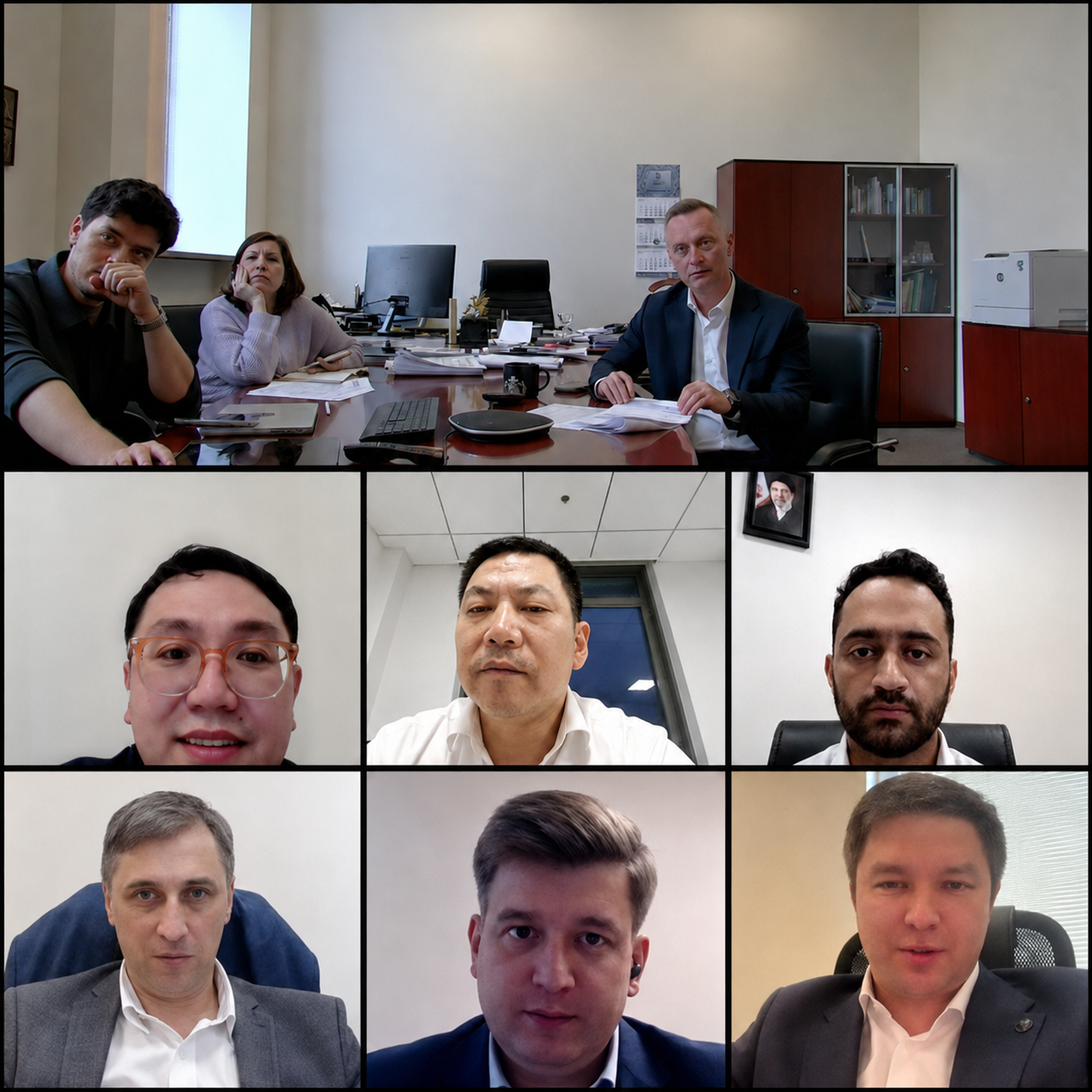
On 27 August, the BRICS Working Group on Sourcing and Use of Data held another online meeting. Representatives of the tax administrations of China, India, Indonesia, Iran and Russia exchanged experience in the use of digital technologies and data in tax administration.
China presented its information system for individual income tax administration. The system is based on the integration of data and taxpayer services within a common digital environment, providing access to registration, filing, tax payment and advisory services through mobile and web channels.
India showcased three taxpayer-oriented digital solutions. Kar Saathi (Tax helper) is an AI-powered assistant that provides tax guidance in English and Hindi using verified departmental sources. The NUDGE (Non-Intrusive Usage of Data to Guide and Enable Taxpayers) Campaign applies data analytics and personalised communications to support voluntary compliance, while the ITA (Income Tax Act) Change Utility helps taxpayers compare provisions of the previous and new income tax legislation and identify relevant changes.
Indonesia presented Coretax DJP, an integrated platform bringing together core tax administration processes, data and digital services. It covers the taxpayer journey from registration and filing to payment and compliance management and supports interoperability with other government systems. Iran shared its experience in VAT modernisation and the transition towards electronic invoicing.
The Russian delegation presented its experience in the use of digital data for VAT administration and the development of electronic document exchange. A separate presentation focused on Russia’s Automated Simplified Tax System. The regime significantly reduces the administrative burden on small businesses by calculating tax liabilities on the basis of data received by the tax authority digitally, without requiring taxpayers to submit tax returns.
The meeting concluded the Working Group’s series of online presentation sessions ahead of the BRICS Tax Heads and Experts meetings in September. The next stage will focus on preparing detailed descriptions of the solutions presented for the further development of the BRICS Tax Collaboration Tool, the common platform for sharing tax administration practices and technologies across BRICS.